Foundation Leveling
San Antonio, TX
San Antonio's expansive clay soils can cause foundations to settle unevenly, leaving floors sloped, doors out of alignment, and structural movement throughout your home. Our experienced foundation leveling specialists provide professional house leveling, home foundation leveling, and foundation stabilization solutions designed to restore stability and protect homes throughout South Texas.
San Antonio Foundation Leveling Reviews

Common Causes of Foundation Leveling Problems
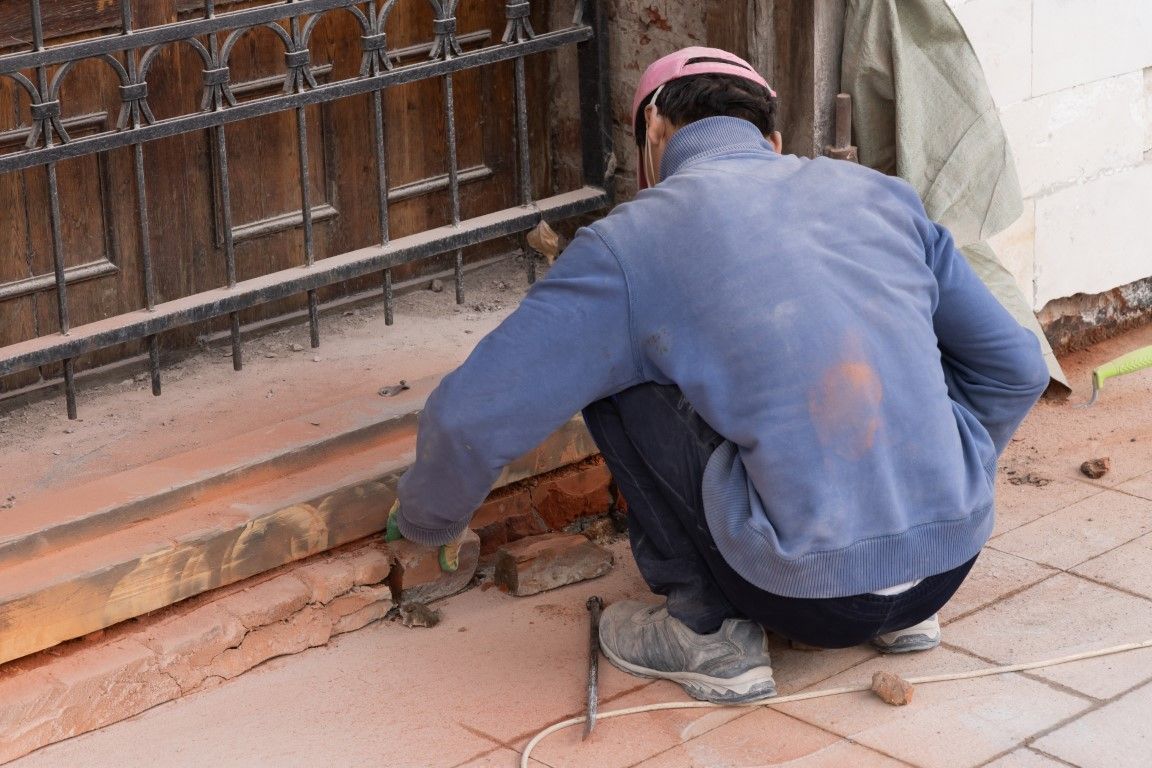
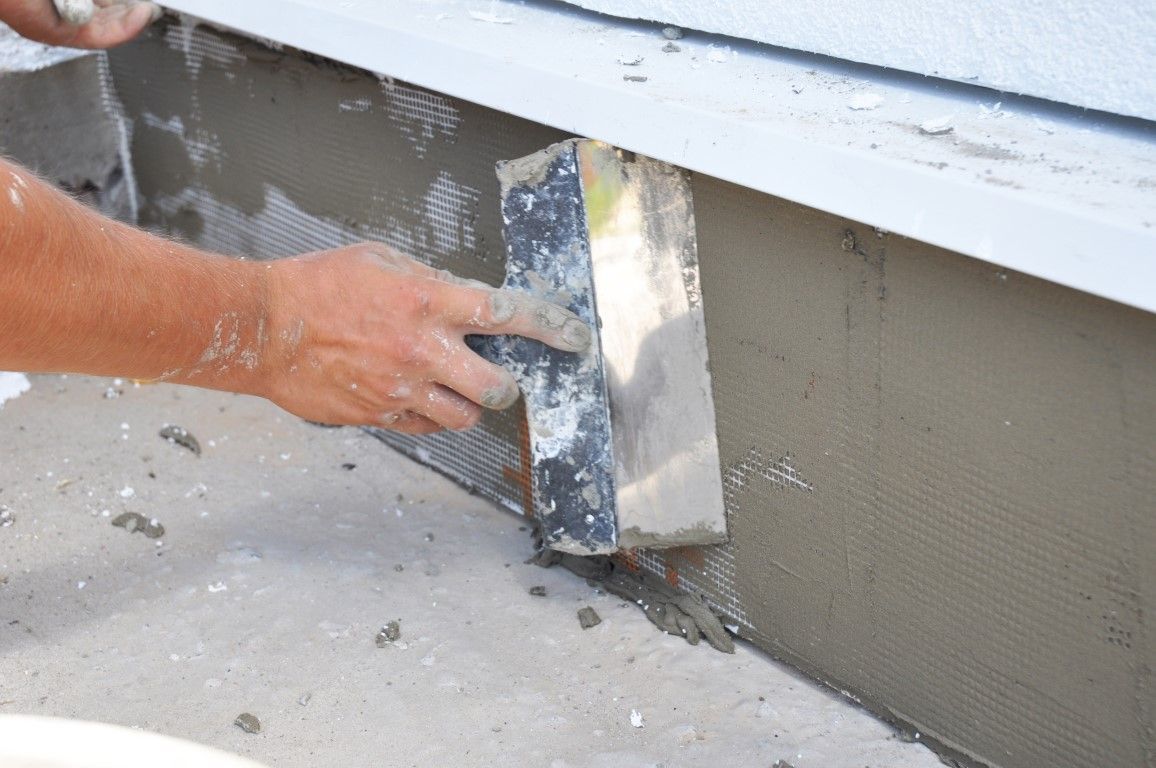
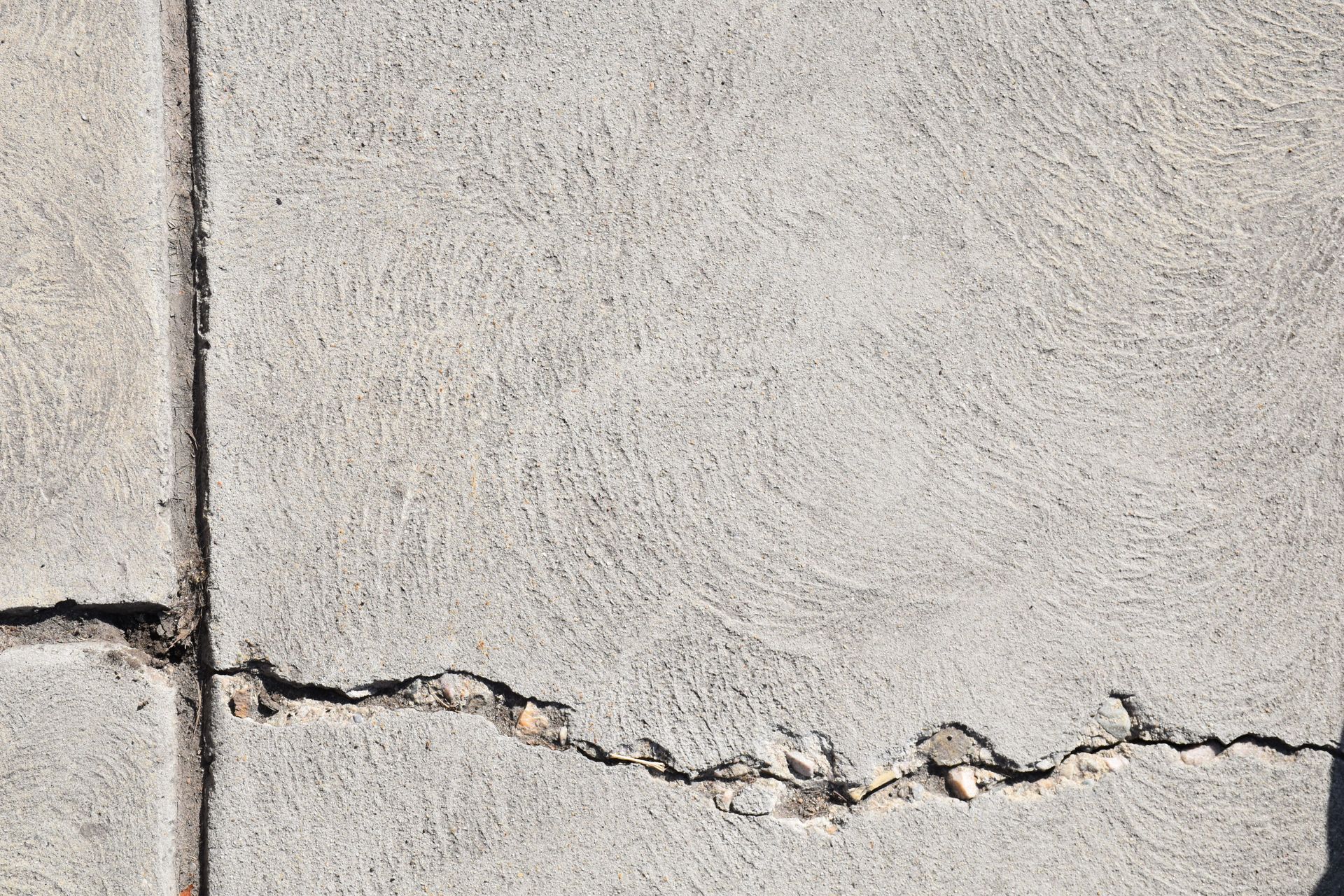
Homes rarely become uneven overnight. In most cases, gradual foundation movement, shifting soils, or deteriorating structural supports cause portions of the home to settle at different rates. Understanding these common causes can help homeowners schedule foundation leveling before minor problems become costly structural repairs.
Restore Your Home's Stability with Expert Foundation Leveling.
Signs Your Home May Need Foundation Leveling
Foundation movement often begins with small changes that become more noticeable over time. If you recognize any of the following warning signs, scheduling a professional foundation inspection can help determine whether foundation leveling is the right solution.
- Uneven or sloping floors
- Sagging or bouncy floors
- Sticking doors and windows
- Cracks in drywall or ceilings
- Stair-step cracks in brick veneer
- Gaps around doors, windows, cabinets, or trim
- Foundation settlement or sinking areas
- Separating walls and ceilings
- Chimney or porch separation
- Visible foundation cracks
- Floors that no longer feel level
- Reappearing cracks after previous repairs
What Happens If You Delay Foundation Leveling?
Foundation movement usually becomes more severe over time. Addressing uneven floors and settlement early can help prevent larger structural problems, reduce repair costs, and protect your home's long-term value.
Foundation Settlement Can Continue
Once foundation movement begins, affected sections of the home may continue to settle unevenly. As settlement progresses, structural stress increases, and repairs often become more extensive. Early foundation leveling helps restore proper support before additional movement occurs.
Cracks May Continue to Spread
Small drywall, brick, and foundation cracks often become larger as the home continues shifting. Cosmetic repairs alone won't stop recurring cracks if the underlying settlement isn't corrected. Stabilizing the foundation first helps reduce future structural damage.
Floors May Become More Uneven
Sloping or uneven floors often become more noticeable as foundation settlement progresses. Walking surfaces may feel less stable, furniture may no longer sit level, and gaps throughout the home can continue growing. Professional house leveling helps restore foundation structural alignment.
Doors and Windows May Stop Working Properly
As the home's frame shifts, doors and windows can become increasingly difficult to open, close, or lock. Misaligned frames may also create gaps that affect energy efficiency and interior comfort. Foundation leveling helps improve overall structural alignment.
Plumbing Problems Can Develop
Ongoing foundation movement may place additional stress on plumbing lines beneath slab foundations or inside crawl spaces. Over time, damaged pipes can contribute to more soil movement and additional structural settlement. Early repairs help reduce the risk of expensive plumbing issues.
Repair Costs Can Increase
Minor foundation movement is often less expensive to correct than widespread structural damage. Delaying repairs may allow settlement, cracks, and alignment problems to worsen, increasing the overall scope of work. Scheduling a professional foundation inspection early can help minimize future repair costs.
Restore a Safe, Level Foundation Today.
How San Antonio Soil Affects Foundation Leveling
San Antonio homes are commonly built on expansive clay soils that expand when wet and shrink during periods of drought. These repeated moisture changes create constant pressure beneath slab and pier-and-beam foundations, causing uneven settlement, structural movement, and sloping floors over time. Homes throughout South Texas often require foundation leveling because of these natural soil conditions.
Seasonal rainfall, prolonged dry weather, poor drainage, plumbing leaks, and tree root moisture loss can all contribute to shifting soils beneath your home. Our experienced foundation leveling specialists understand how local ground conditions affect residential and commercial properties and recommend customized house leveling and foundation stabilization solutions designed specifically for San Antonio's unique soil environment.
Foundation Leveling Services Throughout San Antonio
Whether you need professional foundation leveling, house foundation leveling, home foundation leveling, or you're searching for foundation leveling near me or house leveling near me, our experienced team proudly serves homeowners and businesses throughout San Antonio and surrounding South Texas communities.
Areas we proudly serve include:
No matter where you're located in the greater San Antonio area, our foundation leveling specialists provide customized solutions designed for local soil conditions and long-term structural stability.
Your Local San Antonio Foundation Leveling Specialists.
Common Questions About Foundation Leveling
Have questions about foundation leveling? Below are answers to some of the most common concerns homeowners have about uneven floors, foundation settlement, repair methods, and what to expect during the leveling process.
Q: What is foundation leveling?
Foundation leveling is the process of restoring a home's foundation to a more stable and properly supported position after uneven settlement. Depending on the foundation type, repairs may include foundation stabilization, underpinning, steel piers, concrete piers, or house leveling techniques.
Q: How do I know if my home needs foundation leveling?
Common warning signs include uneven or sloping floors, sticking doors and windows, wall cracks, brick cracks, gaps around trim, and visible foundation settlement. A professional inspection helps determine whether foundation leveling is the appropriate solution.
Q: Is house leveling the same as foundation repair?
House leveling is often one part of a complete foundation repair project. While foundation repair addresses the underlying structural issues, house foundation leveling focuses on restoring the home's elevation and improving overall structural alignment.
Q: Can uneven floors be corrected?
In many cases, yes. Professional foundation leveling can improve uneven or sloping floors by stabilizing the foundation and correcting settlement. The amount of improvement depends on the home's construction and the extent of previous movement.
Q: How long does foundation leveling take?
Most residential foundation leveling projects are completed within several days. Larger homes or properties with significant settlement may require additional time depending on the repair method.
Q: How much does foundation leveling cost?
The cost depends on factors such as the foundation type, severity of settlement, repair method, accessibility, and soil conditions. A professional inspection provides the most accurate recommendation and estimate.
Q: Does foundation leveling repair wall or foundation cracks?
Foundation leveling helps address the structural movement that causes many cracks. However, cosmetic repairs to drywall, brick, or concrete may still be recommended after the foundation has been stabilized.
Q: Can slab foundations be leveled?
Yes. Many concrete slab foundations can be successfully leveled using repair methods such as steel piers, pressed concrete piers, helical piers, or foundation underpinning when appropriate.
Q: Can pier and beam homes be leveled?
Absolutely. House leveling is one of the most common repairs for pier and beam foundations experiencing sagging floors, damaged support beams, deteriorated floor joists, or settlement.
Q: What foundation leveling methods do you use?
Depending on the inspection findings, repairs may include foundation underpinning, steel piers, pressed concrete piers, helical piers, foundation stabilization, and house leveling systems tailored to your home's specific needs.
Q: Will I need to leave my home during foundation leveling?
Most homeowners can remain in their home while foundation leveling is being completed. Your inspector will explain what to expect before work begins, especially if access to certain areas is required.
Q: Do you provide foundation leveling near me?
Yes. Our
foundation leveling company proudly serves homeowners throughout San Antonio and nearby communities with professional inspections, customized repair recommendations, and dependable house leveling services.
Get Expert Foundation Leveling for Your Home
Restore confidence in your home's stability with a professional foundation inspection and customized leveling recommendations from our local specialists.
Schedule your free foundation inspection today.